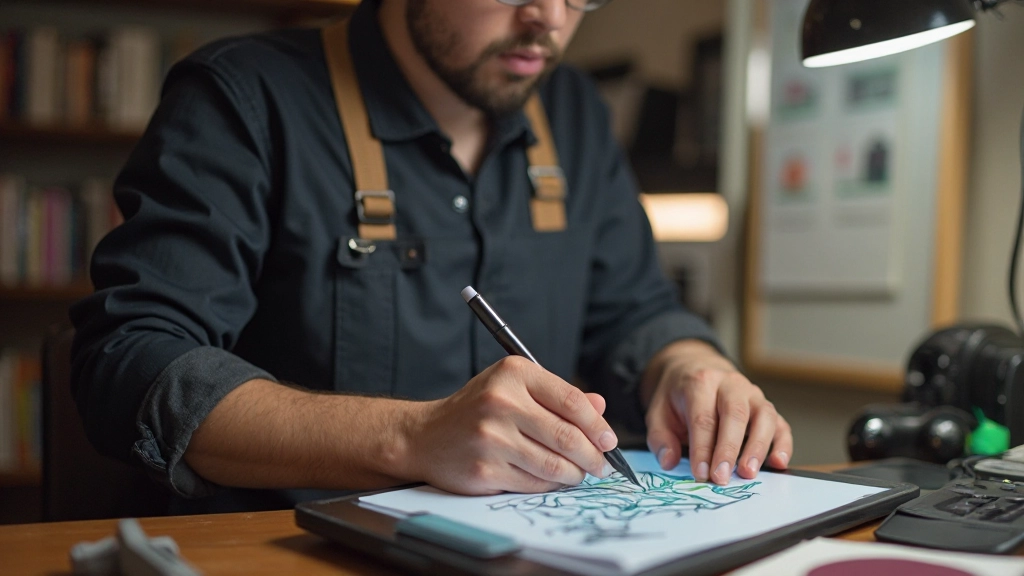
Collaborative Digital Innovation in Creative Teams
How distributed teams are reshaping creative work through advanced collaboration platforms and real-time digital tools

The Evolution of Creative Collaboration
The creative industry has undergone a fundamental transformation. What once required physical proximity—designers, developers, and creative directors gathering in studios—now happens seamlessly across continents and time zones. This shift isn't merely about convenience; it represents a genuine evolution in how creative teams conceptualize, develop, and execute innovative projects.
Modern collaboration platforms have democratized access to creative tools and expertise. Teams can now harness the collective intelligence of globally distributed talent, breaking through geographical constraints that previously limited innovation. The convergence of cloud computing, real-time collaboration features, and sophisticated design tools has created unprecedented opportunities for creative excellence.

Building Effective Distributed Creative Teams
A structured approach to maximizing collaboration and innovation across digital platforms
Establish Unified Communication Systems
The foundation of successful distributed creative work lies in reliable, integrated communication infrastructure. This includes video conferencing, instant messaging, project management tools, and asynchronous documentation systems. Teams must establish clear protocols for synchronous (real-time) and asynchronous (time-independent) collaboration, ensuring that timezone differences become an advantage rather than a barrier.
Implement Shared Creative Tools and Repositories
Cloud-based design platforms enable real-time collaborative editing, version control, and seamless file sharing. Whether working with design files, video assets, or code repositories, centralized digital spaces eliminate redundancy and ensure every team member works with current information. This infrastructure supports rapid iteration and creative feedback loops that rival—or exceed—in-person collaboration capabilities.
Cultivate Intentional Creative Culture
Digital-first teams must deliberately nurture the spontaneous creativity that traditionally emerged from physical proximity. This involves scheduled brainstorming sessions, virtual collaboration spaces designed for ideation, and fostering psychological safety where all team members feel empowered to contribute unconventional ideas. Building a strong creative culture requires intentional effort in distributed environments.
Essential Tools for Modern Creative Collaboration
Real-Time Design Platforms
Advanced design tools with simultaneous multi-user editing capabilities enable designers to work on identical files without conflicts, providing instant feedback and accelerating the design iteration cycle.
Immersive Video Collaboration
High-quality video communication with screen sharing, virtual whiteboarding, and spatial audio creates presence and immediacy that approximates in-person interaction for creative discussions.
Version Control and Asset Management
Centralized repositories with comprehensive version history, branching capabilities, and rollback functions ensure creative teams maintain control over complex projects while preserving creative iterations.
Contextual Feedback Systems
Annotation tools and comment threads embedded directly within creative assets enable precise, contextual feedback that eliminates ambiguity and accelerates decision-making processes.
Project Analytics and Insights
Data-driven project management tools provide visibility into workflow efficiency, team productivity patterns, and creative output metrics, enabling continuous improvement and resource optimization.
Enterprise Security and Compliance
Modern collaboration platforms implement sophisticated security protocols, including encryption, access controls, and audit trails, protecting intellectual property while maintaining team accessibility.
Overcoming Geographic and Temporal Barriers
Geographic distribution no longer represents a limitation—it's become a strategic advantage. By assembling talent across different regions, creative teams gain access to diverse perspectives, cultural insights, and specialized expertise that wouldn't be available within a single location. The timezone distribution itself creates a continuous creative cycle, with work progressing around the clock as different team members engage during their local business hours.
Successful distributed teams establish overlapping collaboration windows where synchronous work occurs, combined with asynchronous processes that maintain momentum during off-hours. This hybrid approach maximizes both real-time creative energy and individual deep-work periods essential for innovative thinking.
"The best ideas don't emerge from proximity—they emerge from diverse perspectives meeting powerful tools. Digital collaboration platforms have finally made that possible at scale."


Measurable Impact on Creative Output
Organizations leveraging distributed creative teams report significant improvements in project velocity, innovation frequency, and output quality. The combination of specialized talent access and sophisticated collaboration tools enables rapid prototyping, iteration, and refinement cycles that compress project timelines while elevating creative standards.
Beyond metrics, the qualitative impact proves equally compelling. Teams report enhanced creative satisfaction, reduced communication friction, and stronger output alignment when leveraging purpose-built collaboration platforms. The elimination of logistical barriers—no more scheduling meeting rooms or managing office politics—allows creative focus to concentrate entirely on the work itself.
The Future of Distributed Creative Work
The trajectory of creative collaboration continues upward. Emerging technologies—artificial intelligence assisting in design exploration, augmented reality for spatial visualization, advanced biometric interfaces—promise to further dissolve the distinction between distributed and co-located teams. What remains constant is the fundamental creative drive: the need for talented individuals to exchange ideas, challenge assumptions, and collectively craft solutions that transcend individual capability.
Organizations that master distributed creative collaboration today position themselves as innovation leaders tomorrow. The competitive advantage no longer derives from geographic advantage or capital investment, but from the ability to assemble exceptional talent and equip them with tools that enable seamless creative collaboration. In this environment, the most innovative companies will be those that think globally, collaborate digitally, and create fearlessly.

Embracing Collaborative Innovation
Collaborative digital innovation represents far more than a pragmatic response to modern work constraints. It embodies a fundamental reimagining of how creative excellence emerges. By removing geographic limitations, providing sophisticated real-time collaboration capabilities, and fostering intentional creative cultures, organizations unlock unprecedented potential for innovation and creative breakthrough.
The transition to distributed creative collaboration requires investment in appropriate technology, deliberate cultural cultivation, and commitment to new working methodologies. The organizations making this transition today are discovering that the barriers they feared—distance, asynchronous communication, timezone differences—transform into competitive advantages when properly managed. The future of creative work is collaborative, digital, and globally distributed.
Disclaimer
This article provides educational information about collaborative digital tools and creative team practices. It is intended for informational purposes only and does not constitute professional advice. The effectiveness of any collaboration tool or team structure varies based on specific organizational context, team composition, and implementation methodology. Organizations should conduct thorough evaluation of tools and practices suitable for their particular circumstances. Technology recommendations are based on general industry trends and should be validated through direct research and vendor evaluation appropriate to your specific needs.
Related Articles