Digital Illustration Platforms and Innovation Trends
Exploring breakthrough tools that merge traditional artistry with cutting-edge technology for next-generation creative expression
The Evolution of Digital Creative Tools
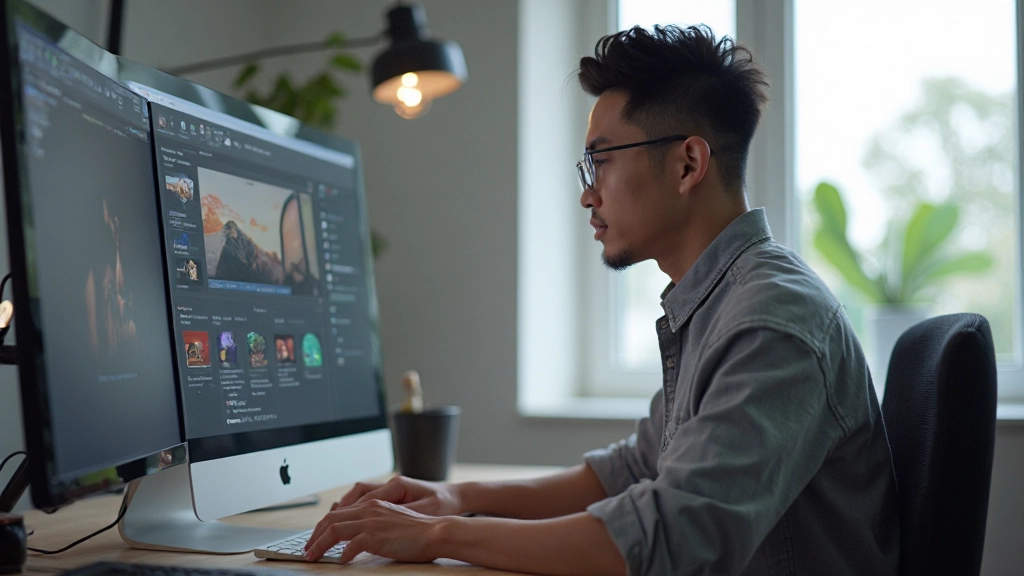
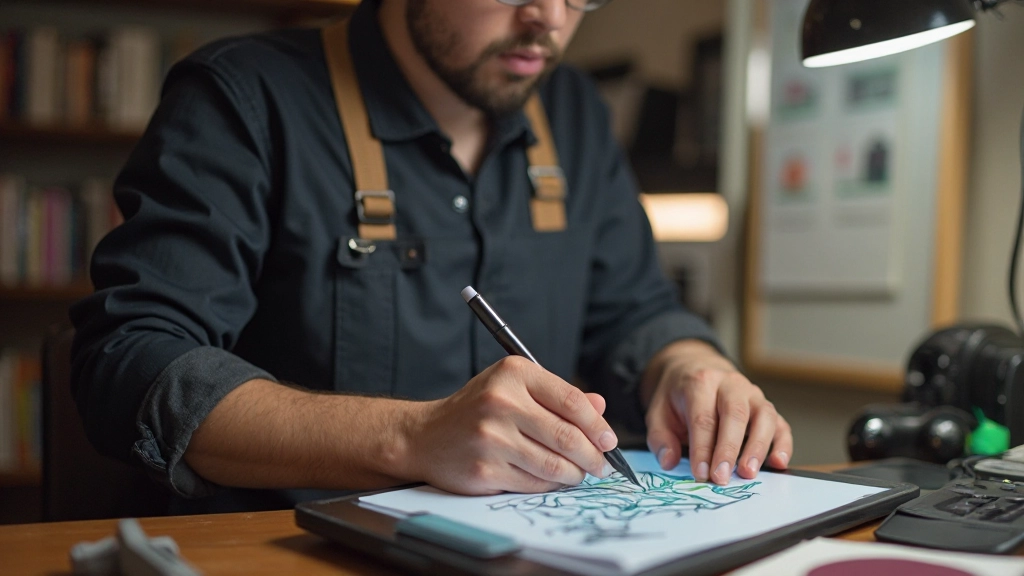
The landscape of digital illustration has undergone a remarkable transformation over the past decade. What once required expensive hardware and specialized software is now accessible to creators worldwide through innovative platforms that combine intuitive interfaces with powerful capabilities. Modern illustration tools have democratized digital art, enabling both professionals and enthusiasts to explore their creative potential.
Today's digital illustration platforms go far beyond simple drawing applications. They integrate artificial intelligence, real-time collaboration features, and cloud-based workflows that streamline the creative process. Whether you're a concept artist, animator, or graphic designer, understanding the current landscape of digital illustration tools is essential for staying competitive and maximizing your creative output.
Leading Illustration Platforms Reshaping the Industry
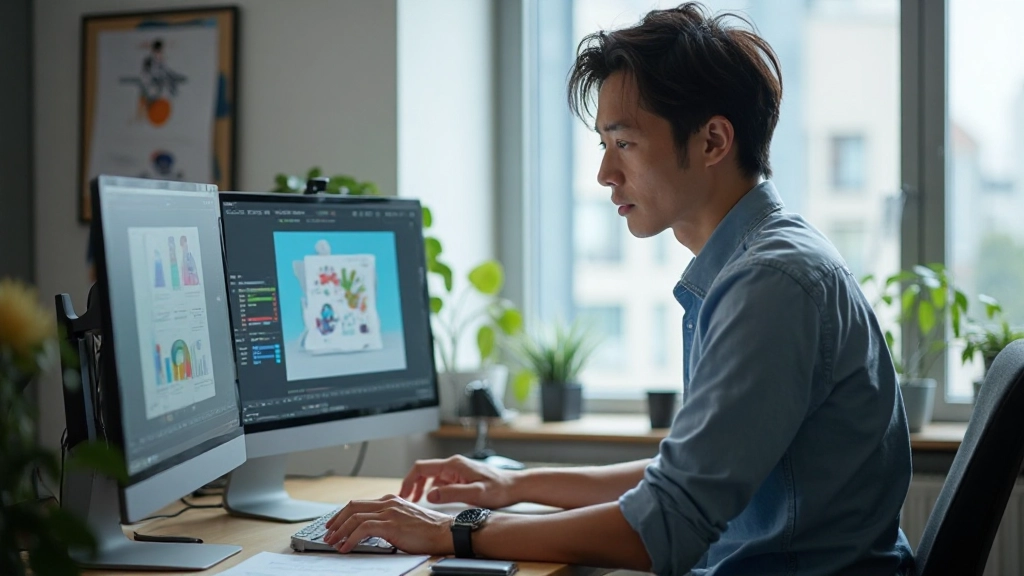
Key platforms driving innovation in digital art creation
Vector-Based Creation
Modern vector illustration tools provide infinite scalability with precision control. These platforms enable artists to create artwork that maintains quality at any resolution, making them essential for graphic designers, branding specialists, and UI/UX creators worldwide.
Raster and Painting Tools
Sophisticated raster editors now feature realistic brush engines that simulate traditional media. These platforms combine digital precision with organic texture simulation, allowing digital painters to achieve authentic results that rival traditional painting techniques.
Collaborative Workspaces
Cloud-based illustration platforms enable real-time collaboration between distributed teams. Multiple artists can work simultaneously on the same project, providing instant feedback and accelerating the creative development process significantly.
AI-Assisted Features
Artificial intelligence integration now assists illustrators with intelligent selection tools, style transfer capabilities, and generative features. These smart tools augment human creativity rather than replace it, enhancing workflow efficiency and artistic possibilities.
Cross-Platform Integration
Modern illustration software seamlessly integrates across desktop, tablet, and mobile devices. This flexibility allows artists to continue their creative work anywhere, synchronizing projects automatically across their entire device ecosystem.
Performance and Optimization
Advanced optimization techniques enable smooth operation even with complex projects containing thousands of layers. Hardware acceleration and efficient memory management ensure professional-grade performance without expensive system upgrades.
Current Innovation Trends Shaping Digital Illustration
The digital illustration industry is experiencing rapid evolution driven by technological advancement and shifting creative demands. Several key trends are defining how artists work and what tools they use.
01
Subscription-Based Access Models
Creative software increasingly adopts cloud-based subscription models, providing regular updates and reducing upfront costs for artists. This shift enables continuous innovation and ensures users always have access to the latest features.
02
Generative Art Integration
Generative algorithms and machine learning are being integrated into illustration workflows, assisting with background creation, color palette generation, and style exploration. These tools accelerate ideation while maintaining artistic control.
03
Motion Graphics Convergence
Static illustration and animation capabilities are merging within single platforms. Artists can now seamlessly transition from creating illustrations to animating them, expanding creative possibilities and workflow efficiency.

Real-World Impact on Creative Industries
The advancement of digital illustration platforms has fundamentally transformed creative workflows across entertainment, advertising, product design, and publishing. Studios that previously required specialized hardware and expensive software licenses now empower individual artists with professional-grade tools.
"Digital illustration platforms have democratized creativity. Talented artists no longer need massive budgets or institutional access to create professional work."
— Creative Industry Expert
The accessibility of powerful tools has expanded the talent pool significantly. Emerging artists from diverse geographic locations can now compete professionally without geographic barriers. This has led to richer, more diverse creative output across all visual industries, bringing fresh perspectives and innovative approaches to established creative fields.
The Future of Digital Illustration Innovation
Emerging technologies and evolving creative demands
As technology continues advancing, digital illustration platforms will likely incorporate even more sophisticated features. Extended reality (XR) environments may enable immersive creative workspaces where artists interact with three-dimensional canvases. Neural interfaces could provide more intuitive control mechanisms, translating creative intent directly into digital output.
The integration of real-time ray tracing and advanced physics simulations will enable unprecedented realism in digital illustrations. Meanwhile, improved AI assistants will handle tedious technical aspects while creative professionals focus on conceptual and artistic decisions. Open standards and interoperability will likely become increasingly important, allowing artists to work across multiple platforms seamlessly.
Key Areas of Future Development
- Advanced neural networks for style learning and transfer
- Real-time collaborative environments with full spatial awareness
- Haptic feedback systems for realistic tactile sensation
- Seamless integration with 3D modeling and animation pipelines
- Quantum-assisted rendering for photorealistic output
Explore More Creative Innovation Resources
Discover comprehensive guides and in-depth articles about digital tools, creative workflows, and emerging technologies shaping the future of visual arts and design.
View All ResourcesInformation Disclaimer
This article provides educational information about digital illustration platforms and industry trends. The tools, features, and capabilities described represent general knowledge about these platforms. Software features, pricing models, and available functionality change regularly. Users should visit official platform websites for the most current information about specific tools, features, and compatibility requirements. Individual creative needs vary significantly, and what works well for one artist may not suit another. We recommend hands-on exploration of tools to determine which best fits your specific creative workflow and requirements.