

Video Production and Media Creation Technology Evolution
Explore the revolutionary tools transforming how creators produce, edit, and distribute compelling visual content in an increasingly digital world

The Digital Revolution in Content Creation
The landscape of video production has undergone a seismic shift over the past decade. What once required expensive studio equipment, specialized training, and significant capital investment is now accessible to creators worldwide. From AI-powered editing software to cloud-based collaboration platforms, modern technology has democratized content creation while simultaneously raising the bar for professional quality standards.
Today's creators operate in an ecosystem where technology moves at breakneck speed. Real-time rendering capabilities that seemed impossible five years ago are now standard features. Artificial intelligence handles tasks that once required hours of manual labor. Cloud infrastructure enables global teams to collaborate instantaneously. Understanding these technological shifts isn't just beneficial—it's essential for anyone serious about content creation.

AI-Powered Editing and Intelligent Automation
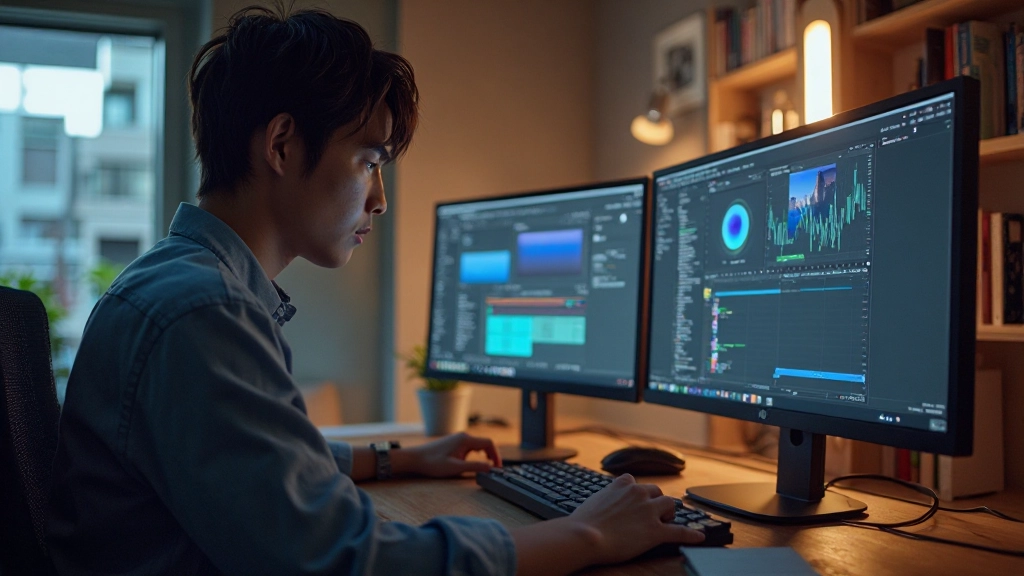
Artificial intelligence has fundamentally transformed the editing process. Machine learning algorithms now analyze footage to identify the best cuts, optimal pacing, and color-grading adjustments. These systems learn from professional editing patterns and can suggest transitions, effects, and audio synchronization with remarkable accuracy.
What makes this particularly powerful is how it handles the most time-consuming aspects of production. Background removal that once required green screens and careful keying can now be done in real-time with software-based separation. Dialogue transcription and subtitle generation happen automatically. Sound design receives intelligent enhancement through noise reduction and spatial audio optimization.
The creative advantage is substantial. Rather than spending days on technical grunt work, creators can focus on storytelling, visual composition, and artistic direction. This shift represents a fundamental change in production workflow—from bottom-up technical execution to top-down creative vision.

Real-Time Rendering and Live Production Technology
Real-time rendering has shattered the traditional boundaries between pre-production and live broadcast. Technologies like Unreal Engine and similar platforms now power broadcast graphics, virtual sets, and dynamic visual effects that update instantaneously. This capability has transformed everything from sports broadcasting to virtual event production.
The implications extend far beyond traditional broadcast. Creators can now generate photorealistic backgrounds on-the-fly, create dynamic motion graphics without pre-rendering, and composite live footage with complex visual elements in real-time. Virtual production volumes—physical LED walls displaying computer-generated environments—enable filmmakers to capture location shots within a controlled studio environment.
This technology democratizes production complexity. Shots that would have required elaborate setups, expensive location fees, or extensive post-production work can now be accomplished with modern hardware and intelligent software. The result is faster production cycles, lower costs, and expanded creative possibilities.
"The convergence of cloud infrastructure, artificial intelligence, and real-time rendering represents the most significant shift in production technology since the transition from film to digital."
— Digital Production Technology Expert
Cloud-Based Collaboration and Distributed Production
Geographic constraints have dissolved. Cloud-based production platforms enable global teams to collaborate on projects simultaneously. A director in Tokyo can review footage uploaded from a cinematographer in Berlin while a colorist in Los Angeles makes adjustments in real-time. All participants work on the same project files without the traditional bottleneck of file transfers and version management.
This infrastructure supports workflows that were previously impossible. Remote monitoring allows directors to supervise shoots across multiple locations. Instant feedback loops accelerate creative decisions. Cloud storage eliminates the need for physical media transport or local server infrastructure. The financial implications are substantial—reduced equipment costs, minimized travel expenses, and increased production efficiency.
Security and reliability have matured alongside these capabilities. Enterprise-grade encryption, automated backup systems, and redundant infrastructure ensure that critical production data remains protected and accessible. These platforms now meet the demands of high-stakes professional productions alongside supporting independent creators.

Key Technologies
Essential Tools Reshaping Production
Understanding the core technologies that define modern content creation
Machine Learning Frameworks
Advanced algorithms for scene analysis, motion tracking, and intelligent content organization that learn from creative patterns
Real-Time Engines
Graphics processing platforms enabling live rendering of complex scenes, virtual sets, and dynamic visual effects
Cloud Infrastructure
Distributed computing resources supporting remote collaboration, processing-intensive tasks, and global content distribution
Audio Processing
Intelligent sound design tools featuring spatial audio, voice enhancement, and AI-driven mixing optimization
Capture Technology
Advanced sensors and acquisition systems enabling high-frame-rate capture, HDR recording, and volumetric video
Color Science
Professional grading tools with AI-assisted color matching, HDR workflows, and immersive color spaces
The Future of Content Creation
The evolution of video production technology represents far more than incremental improvements to existing tools. We're witnessing a fundamental transformation in how content is conceptualized, produced, and distributed. The barriers to entry have lowered dramatically, yet the potential for creative expression has expanded exponentially.
Emerging technologies continue to reshape the landscape. Neural rendering techniques enable photorealistic content generation from minimal input. Volumetric capture systems record three-dimensional performances. Extended reality platforms blur the lines between virtual and physical production environments. These advances suggest that the tools available today are merely stepping stones toward capabilities we can barely imagine.
For creators navigating this landscape, the key insight is that technology serves storytelling, not the reverse. The most powerful tools are those that remove friction between creative vision and execution. Whether you're producing broadcast content, creating educational materials, or building community through online platforms, understanding these technological shifts provides a competitive advantage and opens new possibilities for artistic expression.
Explore Related Resources
Discover more insights into creative technology and digital innovation
View All Articles


Educational Information Disclaimer
This article presents information about video production technologies and their capabilities for educational purposes. Technology landscapes evolve rapidly, and specific tools, features, and capabilities mentioned may change or be updated. The information provided represents general knowledge about industry trends and technological developments as of the publication date. Readers should independently verify current capabilities and specifications of any tools they intend to use. Production requirements vary significantly based on specific use cases, budgets, and project scopes. We recommend consulting with technical specialists and conducting thorough research before making software or hardware investment decisions.